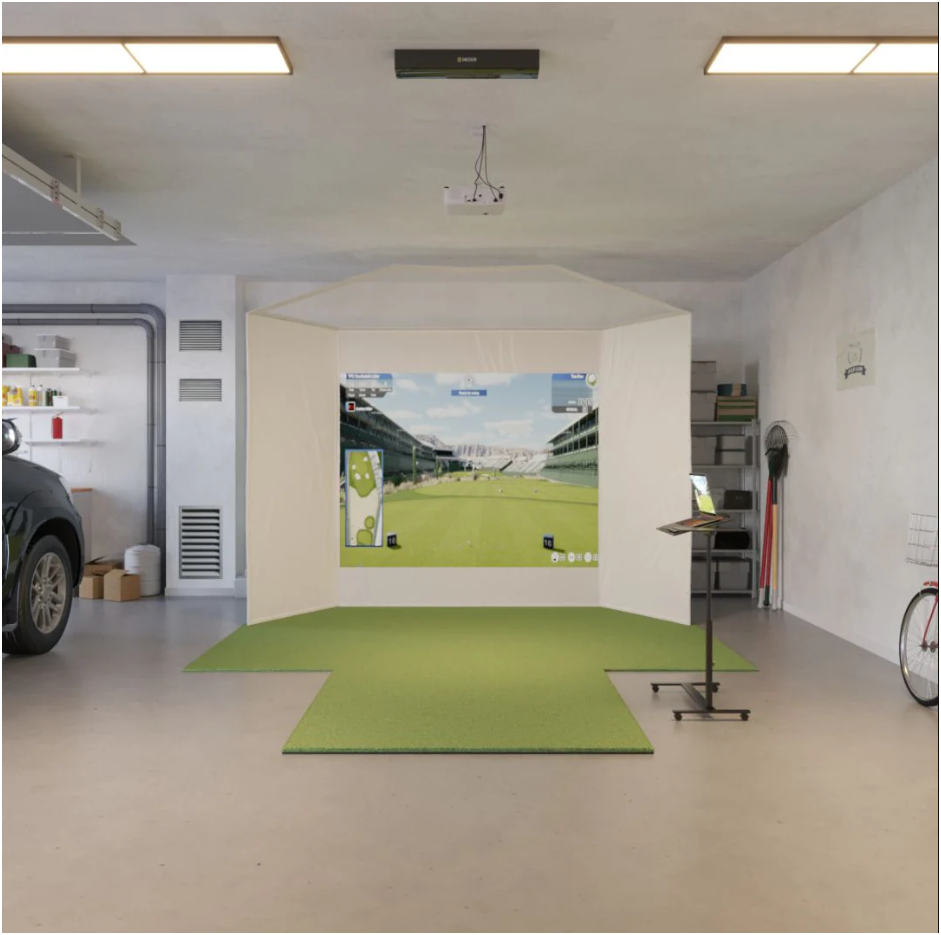
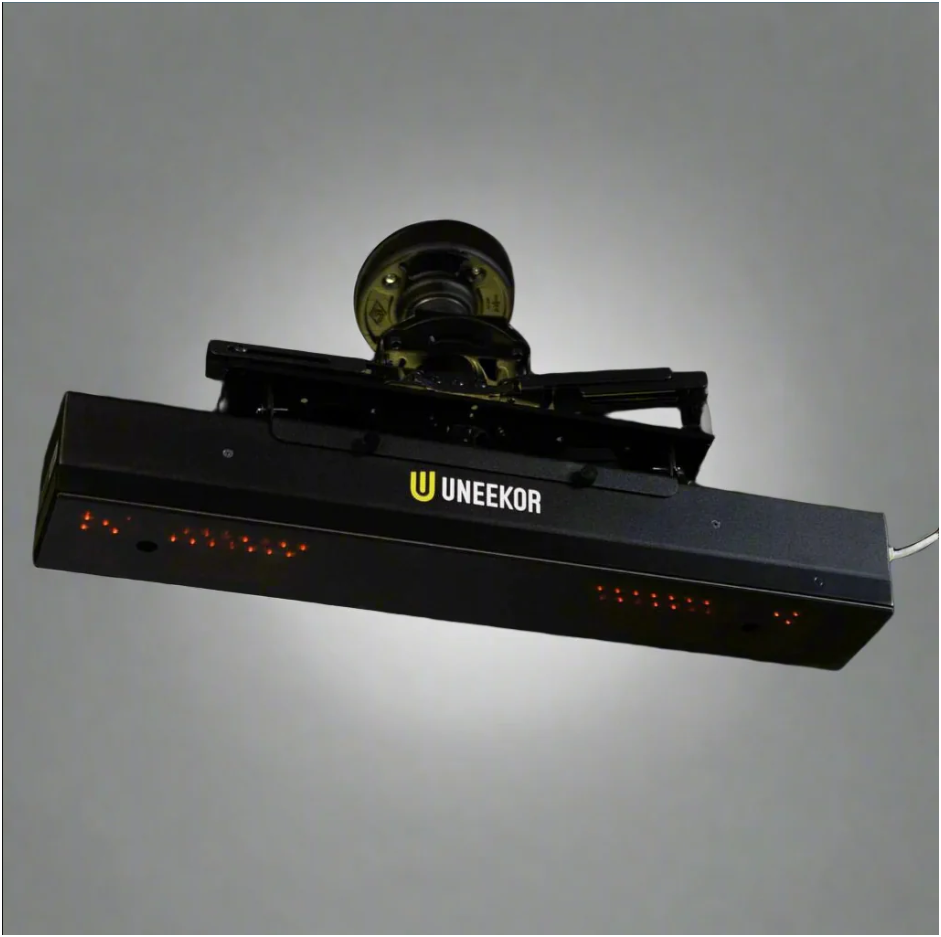
You know that moment when a new level loads and the world responds instantly to your input? The Uneekor QED package gives you that same snap-to feedback for your swing. It turns a spare room into a responsive practice arena where every strike, spin, and path is captured like in-game telemetry. You’re still the one swinging. The system simply handles the tracking, the visuals, and the reset so you can stay locked in.
Meanwhile, your space remains yours. The retractable enclosure rolls out when it is time to grind and tucks away when life calls. Think of it like a gaming rig that folds into stealth mode between sessions. No clutter. No compromise. Just the right tools when you need them.
Why This Matters for Your Round
Walking onto a real course with sharper shot control feels like stepping into a ranked match with your sensitivity dialled in. Accurate feedback builds that edge. The QED’s ultra-high-speed cameras read the moment of impact, then surface data you can act on: face angle, club path, ball speed, and spin. You read it like a HUD, then make small, intentional changes that compound over time.
Here is the gamer parallel. You learn by iteration. You test a build, run reps, and measure. With the QED, your practice is not “hit and hope.” It becomes a tight loop of swing, see, adjust, repeat. One user story: after a week of evening sessions, a mid-handicapper noticed his wedge spin jumping into a tighter band. He started landing approach shots that stopped closer to the hole, just like switching to a higher-stability loadout. Another example: a beginner who struggled with a chronic slice used the impact video to see the open face in slow motion. Once he matched feel to fact, his ball flight straightened within a few sessions. A final scenario: a competitive player ran dedicated “challenge nights” with TGC 2019 and treated each course like a new raid. He practised specific par-3s, then played them at the weekend and shaved strokes because the yardages and visuals already felt familiar.
Where It Stacks Up Against the Competition
Several systems court the same player: someone who wants serious, indoor-first accuracy and a smooth content experience.
ProTee VX is a capable overhead rival that appeals to budget-sensitive builders who still want club and ball data. It is quick to set up and integrates well with modern SIM software. However, its ecosystem feels younger in places, and some users report occasional variance with spin compared to more established platforms. If your priority is lowest overhead cost with respectable metrics, it is a contender. If you value mature impact video tools and a longer track record for data consistency, the QED keeps the advantage.
Foresight’s GC line, particularly GC3 and GCQuad, earns praise for tour-grade measurements and excellent outdoors flexibility. For players who split time between the range and a sim bay, Foresight’s portable, ball-focused approach can be ideal. The trade-off is price and, often, a more complex path to a complete projection setup. If you are building a dedicated home bay that stays put, the QED’s ceiling mount, impact video, and package economics make it easier to justify.
SkyTrak+ caters to golfers moving up from entry-level tracking. It delivers good ball data and an approachable price point, which works for casual sim nights or small spaces. On pure impact capture, club path visibility, and ceiling-mounted freedom for both left- and right-handed players, the QED still feels like a step up. If you want the analytics depth that rewards disciplined practice, the QED’s camera architecture shines.
In short, think of the QED as the balanced “performance build” for an indoor-first gamer-golfer: strong data fidelity, clean overhead workflow, and a turnkey package that includes the enclosure, matting, projector, and a ready laptop. Competitors win on specific edges like portability or entry price. The QED wins when you want an always-ready home arena that behaves like a polished game engine.
What To Consider Before You Buy
Ceiling height and depth matter. Give the cameras room to see the impact cleanly and allow a comfortable swing arc. Most home builders target approximately nine to ten feet of height and plan projector throw so the image fills the enclosure without shadows. Marked balls may be needed to unlock the most precise spin readings, which is a minor maintenance habit but pays back in reliable numbers. Installation takes some care as well. A clean ceiling mount, level alignment, and calibration will save you time later.
On the usage side, treat sessions like focused missions. Warm up, choose one or two variables to test, then use the video to confirm what you felt. You will notice how quickly your dispersion tightens when every rep includes immediate, visual feedback. That is the power loop that keeps gamers engaged: input, response, adjustment, mastery.
The Product Details
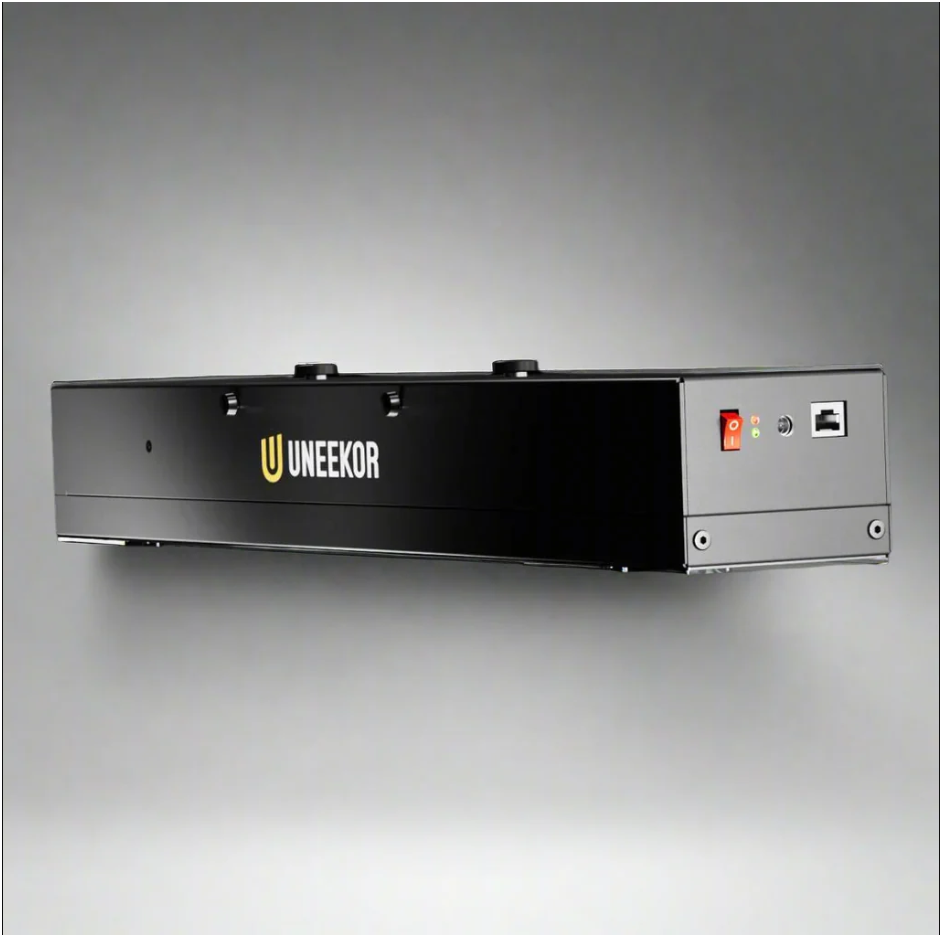
Uneekor QED launch monitor with dual ultra-high-speed cameras (around 3000 fps each) for precise impact capture.
Real-time ball and club tracking with slow-motion swing video analysis.
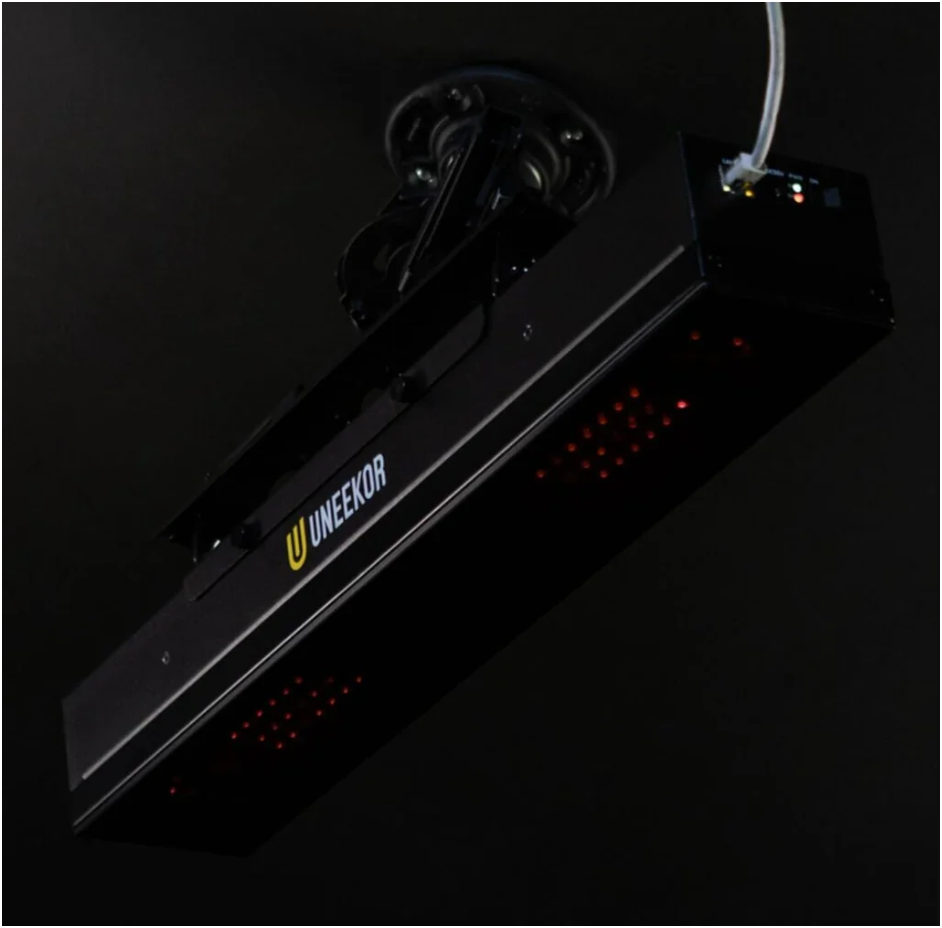
Ceiling-mounted design keeps the hitting area clear and supports both right- and left-handed players.
HomeCourse retractable enclosure for quick deployment and tidy storage.
High-definition projector for crisp, immersive visuals.
Gaming-class laptop prepped for sim play and data processing.
TGC 2019 software access to virtual courses, ranges, and skills challenges.
Turf landing pads and a quality hitting mat for a realistic feel and floor protection.
Product Features
CPU: Intel i7 or higher recommended; minimum i5-8400.
GPU: NVIDIA RTX 30-series or newer recommended; minimum GTX 1060.
RAM: 16 GB or more.
OS: Windows 10 or 11 (64-bit).
Storage: 200 GB free space or more.
If you want a home setup that feels like a performance lab wrapped in a living-room-friendly shell, the Uneekor QED Retractable Simulator is a smart move. It combines high-fidelity impact capture with practical, retractable staging, so you get serious training without sacrificing space. Rivals may edge it on portability or entry cost, yet the QED’s balance of data depth, overhead workflow, and ecosystem polish makes it the package to beat for committed indoor practice.
We are a one-stop-shop for indoor golf equipment and supplies and a full-service digital marketing and distribution agency offering a wide range of solutions for the golf industry. With innovative data-driven marketing strategies, we help golf related businesses of any size maximize their online earning potential.
ProTee United’s new VX Launch Monitor perfectly balances high tech and simplicity. Its slick design and high accuracy make it the ideal launch monitor for your home. The most anticipated ceiling launch monitor right now, with a wide variety of great features.